Thirty pieces sounds restrictive until you count what you actually wear in a normal month. Most closets hold 80 to 150 garments, but rotation data from closet organizing services consistently shows people wear the same 20 to 25 items on repeat. A capsule wardrobe just makes that math official, and gives the other 70 pieces permission to leave.
This guide walks through the exact process: the number itself, the category split, the audit, the color rules, the gap-filling purchases, and the seasonal maintenance that keeps a capsule from quietly becoming 60 pieces again by March.
Why 30 pieces is the practical number
Thirty is not arbitrary. It is roughly the count that lets you build five to seven outfits per category without doubling up fabrics or colors so closely that pieces feel redundant on a hanger. Drop below 25 and you start repeating the exact same outfit combinations within a single week, which gets noticed at work or school. Push past 35 and you are back to decision fatigue, the original problem a capsule is meant to solve.
The number also fits a four-season rotation without requiring four separate wardrobes. A 30-piece capsule typically swaps 8 to 10 pieces seasonally and keeps 20 to 22 as a stable core: jeans, neutral knits, a blazer, basic tees. That stable core is what makes the system sustainable past the first excited month.
Thirty excludes underwear, sleepwear, workout clothes, and outerwear heavier than a light jacket. Those are separate, practical categories with their own replacement cycles. Counting them into the 30 inflates the number and makes the exercise feel impossible before it starts.
The five category breakdown
A workable 30-piece capsule splits into five categories, each with a rough target count. These are starting guidelines, not rules carved in stone, adjust by 1 or 2 pieces per category based on climate and job.
- Tops: 10 pieces. Mix of tees, button-downs, and knitwear.
- Bottoms: 6 pieces. Jeans, trousers, one skirt or shorts depending on climate.
- Layers: 6 pieces. Blazers, cardigans, a light jacket.
- Dresses: 3 pieces. Skip entirely if dresses are not part of your routine, and add those 3 slots to tops or bottoms instead.
- Shoes: 5 pairs. One everyday sneaker, one boot, one dress shoe, one sandal, one backup.
That totals 30. Some people run 9 tops and 7 bottoms instead, which is fine, the category lines are flexible as long as the total holds. What matters more than the exact split is that every top works with at least three bottoms, and every bottom works with at least three tops. If a piece only pairs with one other item in the closet, it is not capsule material, it is a specialty item that belongs in a separate, smaller "occasion" pile outside the 30.
Auditing your existing closet first
Before buying anything, empty the closet completely onto a bed or floor. Not partially, completely. Seeing everything at once, rather than scanning a packed rod, is the only way to catch duplicates you forgot you owned, three near-identical black cardigans is a common discovery.
Sort into four piles: keep, repair, donate, undecided. The "undecided" pile should get a hard rule: anything still undecided after 10 minutes goes into a box, dated, and reviewed again in 90 days. If it has not been missed by then, it leaves.
Try on every "keep" item, even ones worn last week. Fit shifts with washing, body changes, and fabric wear. A pair of trousers that fit in September can sag by January. During this stage, check three things on each piece: does it fit now, is the fabric still intact (no pilling, no thinning at the seat or elbows), and does it match at least two other pieces already in the keep pile.
A practical audit on a 100-piece closet usually takes 90 minutes to 2 hours and typically surfaces 15 to 20 pieces that already qualify for the new 30-piece capsule without any purchase at all. That is often half the work done before a single new item is bought.
Choosing a base color palette
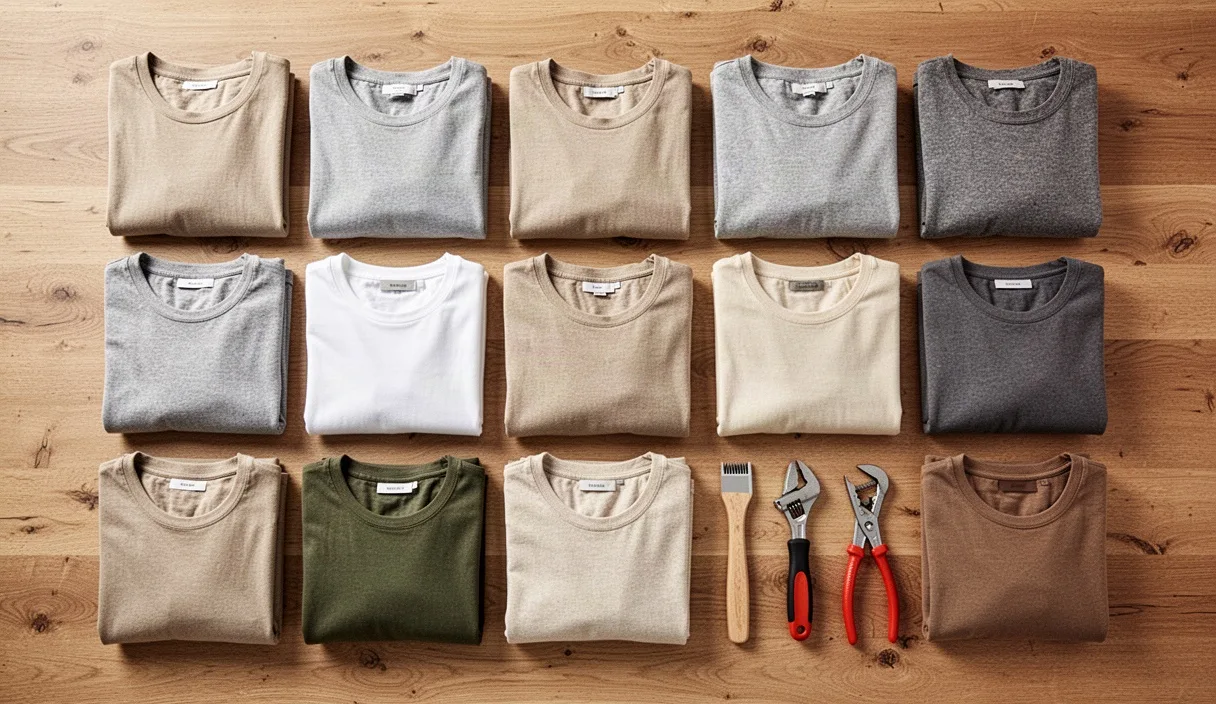
A capsule wardrobe lives or dies on color coordination, not on how expensive each piece is. Pick one neutral base, one secondary neutral, and two accent colors. That is the entire palette, and every future purchase gets checked against it before it enters the closet.
| Palette role | Example choice | Typical piece count |
|---|---|---|
| Base neutral | Navy or black | 12 to 14 pieces |
| Secondary neutral | Gray, cream, or camel | 8 to 10 pieces |
| Accent one | Olive, burgundy, or rust | 3 to 4 pieces |
| Accent two | A print or a brighter tone | 2 to 3 pieces |
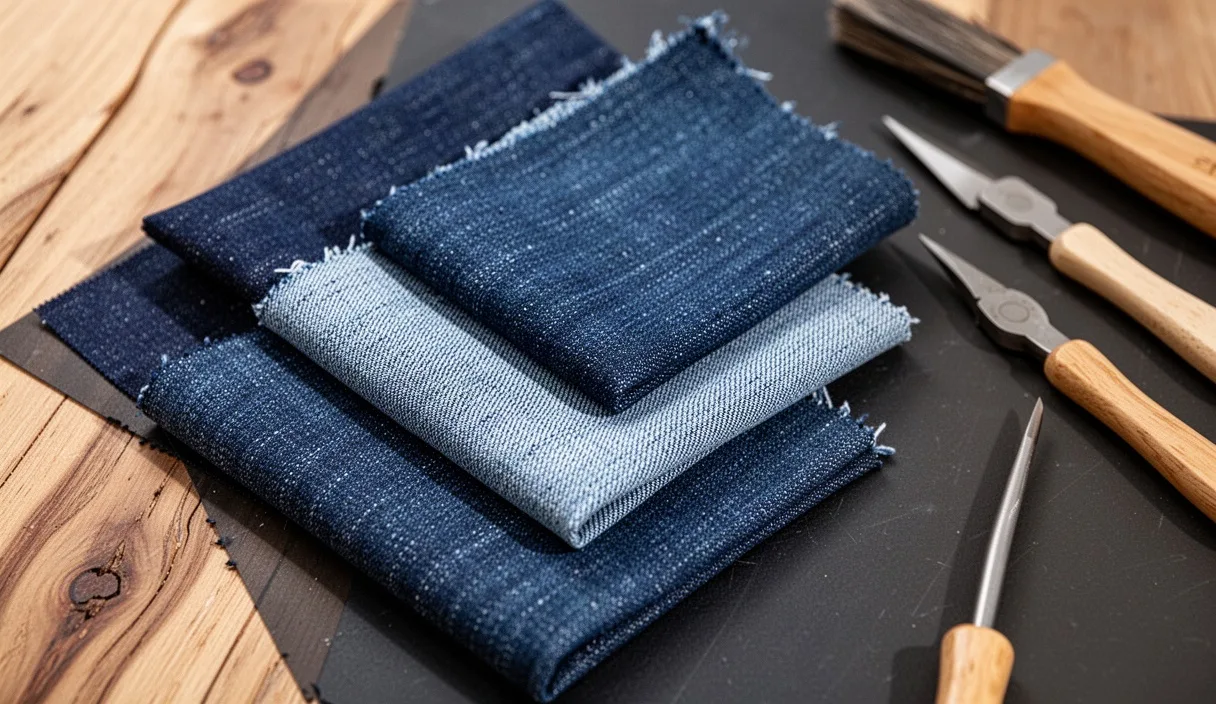
Denim counts as a neutral in most capsules and does not need to match this table strictly, since indigo pairs with nearly everything. The real test of a working palette is simple: close your eyes, pick any top and any bottom at random from the 30 pieces, and they should pair without clashing. If that fails more than once in five tries, the palette has too many competing colors.
Filling gaps with one purchase at a time
Once the audit and palette are set, list what is missing against the five-category breakdown. Most people find gaps in layers first, a good blazer or a reliable light jacket is often the piece that got skipped during years of buying more tees instead.
Buy one gap at a time, not a shopping list all at once. A single purchase per week or per paycheck forces a real evaluation of fit, fabric, and color match against the existing 29 pieces, rather than a rushed bulk order that arrives with 3 items that do not actually pair with anything.
Before each purchase, apply a three-pairing test: the new item has to work with at least three things already owned, right now, not hypothetically with a future purchase. If a mustard sweater only works with one skirt you do not own yet, skip it until that skirt actually exists in the closet.
Budget-wise, a realistic mid-range capsule rebuild costs 400 to 900 dollars spread over 3 to 6 months, covering 8 to 12 replacement or gap pieces. Spending it all in one weekend tends to produce more regret returns than a paced rollout.
Maintaining the capsule through seasons
A capsule is not static. Every 3 to 4 months, swap 6 to 10 pieces: heavier knits and boots in for colder months, light tops and sandals in for warmer ones. Store the off-season pieces in a bin or a separate closet section so the active 30 stays visually and physically contained.
Set a recurring check-in, once per season, where you re-run the three-pairing test on the full 30. Fabric wears out, fit changes, and tastes shift. A piece that paired well with three others in spring may not pair with the two new seasonal items added in fall, and that is normal, not a failure of the system.
Track replacements with a simple running list: item, date added, date retired. After one full year, this list shows real wear patterns, some people find their "5 pairs of shoes" category actually needs 6 because one pair wears out twice as fast as the rest. Adjust the category counts based on that evidence rather than the original guideline.
Common mistakes
The most frequent error is counting outerwear, loungewear, or gym clothes into the 30, which quietly shrinks the real rotation and makes the capsule feel tighter than it should. Keep those as separate categories from day one.
The second is buying all 8 to 10 gap pieces in a single order based on photos rather than trying them on. Online capsule "starter kits" sold as a bundle have a notably high return rate for exactly this reason, fit varies by brand even within the same labeled size.
The third is skipping the 90-day undecided box and keeping everything "just in case." A capsule only works if the excluded pieces actually leave the closet, not just the rotation.
Next steps
Start with the audit this weekend, set aside 2 hours, and sort everything into the four piles before buying anything new. Build the palette table on paper first, four colors, and check every existing keep piece against it.
Then fill gaps slowly, one item every one to two weeks, running the three-pairing test each time. Revisit the full 30 at each season change, and keep the running replacement list for at least a year before judging whether the category counts need adjusting for your specific climate and routine.